Where to Buy Delta 9 Oil and What to Look For
Understanding Delta 9 Oil in the Current Market
If you have been following the cannabinoid space for a while, you know the landscape shifted a few years ago when delta 8 THC hit the scene. Suddenly, people who could not access or tolerate traditional delta 9 had a lighter option. But the original psychoactive cannabinoid, delta 9 tetrahydrocannabinol, never went away. What changed is how we source it. Today, if you want to buy delta 9 oil, you are not limited to sticky flower or crude extracts. You can choose from refined distillates, full-spectrum oils, and isolate blends. The trick is knowing what you are actually getting.
I have spent enough time in dispensaries and online shops to see the confusion firsthand. A customer walks in asking for "delta 9" and gets handed a vape cartridge with no label clarity. Or they buy a bottle labeled "delta 9 distillate" and later realize it is cut with synthetic thinners. That is why I want to walk through the practical side of shopping for delta 9 oil right now. Not the theory, not the hype, but what matters when you open that package.
The Difference Between Distillate and Full-Spectrum Oil
When you buy delta 9 oil, the first thing to check is whether it is a distillate or a full-spectrum oil. A delta 9 distillate is exactly what it sounds like: delta 9 has been isolated from the rest of the plant material, usually through a vacuum distillation process. The result is a concentrated, potent oil that hits hard and fast. That can be great if you want a predictable experience, but it lacks the nuance of a full-spectrum oil.
A full-spectrum oil retains a broader range of hemp-derived cannabinoids, including minor cannabinoids like CBD isolate, delta 8 THC, and various cannabis terpenes. The idea is the entourage effect: all those compounds working together can produce a more rounded, less jarring effect than delta 9 alone. Many people who buy delta 9 oil for daily use prefer the full-spectrum route because it tends to be more forgiving. I have seen users who get anxious on straight distillate do much better on a full-spectrum blend that includes caryophyllene and other black pepper terpenes. Those terpenes, especially beta-caryophyllene, interact with the CB1 receptor in a modulating way, taking the edge off the delta 9 peak.
Extraction Methods Matter: CO2 vs. Ethanol
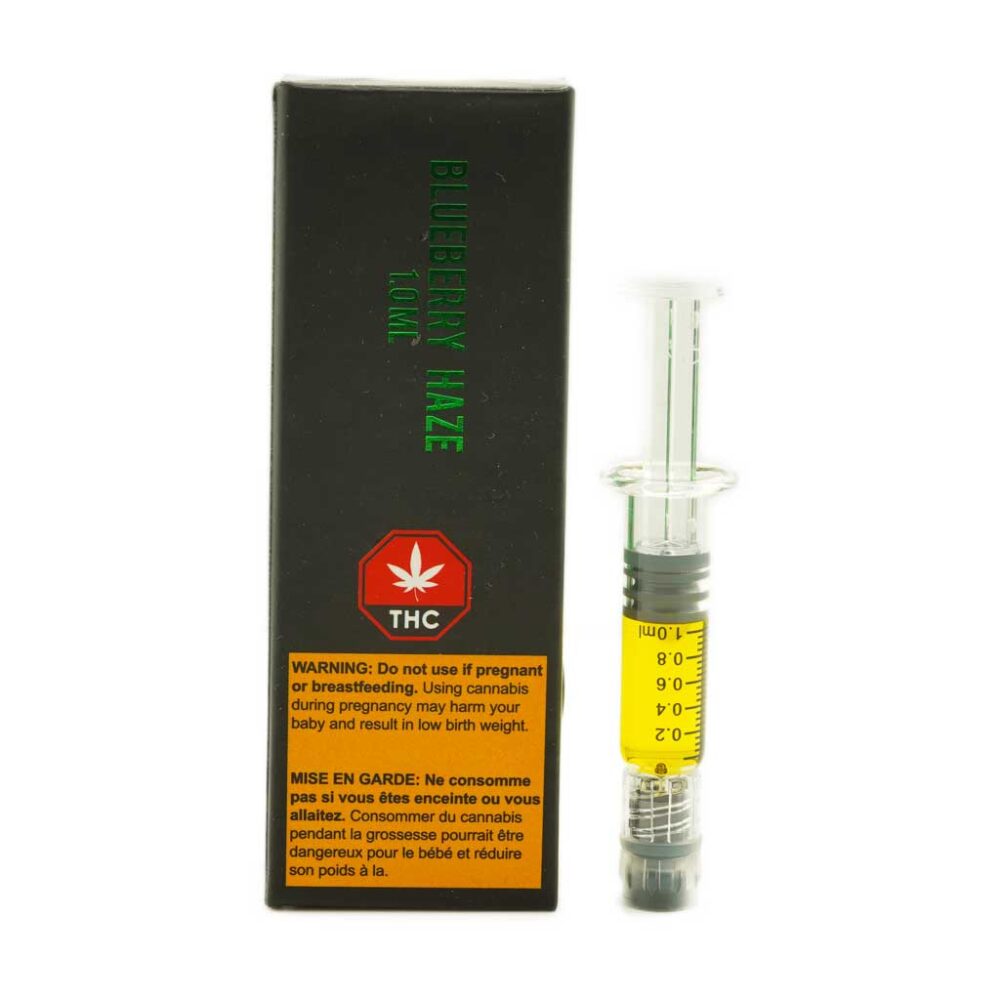
The method used to pull the oil from the hemp plant directly affects the final product. Two common methods are CO2 extraction and ethanol extraction. CO2 extraction uses pressurized carbon dioxide to separate the oil. It is clean, leaves no solvent residue, and preserves terpenes well. Oils made this way tend to have a more vibrant flavor and aroma. Ethanol extraction, on the other hand, uses food-grade alcohol. It is cheaper and can produce a very high yield, but if the processor does not purge the ethanol thoroughly, you can end up with a harsh aftertaste. Most reputable brands will tell you which method they use.
I have tried both side by side. The CO2 extracted oils are noticeably smoother under the tongue. For sublingual drops, that matters a lot. You do not want to hold a harsh tasting oil in your mouth for sixty seconds. Ethanol extracted oils can work just fine, especially in applications like vape cartridges where the vapor masks any off notes. But if you are buying for oral use, CO2 extraction is generally the safer bet.
Third-Party Lab Testing and Compliance Certificates
This is the part where most customers check out, but it is the most important. Any online shop worth its salt will provide a compliance certificate or a certificate of analysis from a third-party lab testing facility. You want to see the actual numbers: delta 9 percentage, delta 8 THC content, CBD isolate levels, and residual solvent tests. If a site does not show these, or if the cert is obviously a generic template, walk away. I have seen bottles labeled "delta 9 oil" that contained less than five percent delta 9, the rest being filler or synthetic cannabinoids.
Brands like 3Chi and Koi CBD have set a good standard here. They publish batch-specific certificates. When you buy delta 9 oil from a retailer like Kush Station, they usually carry those same transparent brands. You can cross-reference the batch number on the label with the cert on the brand's website. It takes two minutes and saves you from guessing.
Forms of Delta 9 Oil: Drops, Cartridges, and Syringes
Delta 9 oil comes in several formats, and the right choice depends on your routine. Sublingual drops are the most straightforward: you measure a dose with the dropper, hold it under your tongue, and wait about fifteen minutes for the effects to build. This is my personal go-to because it bypasses the liver, so the onset is faster than edibles but more controlled than vaping. If you are new to delta 9, start with a low dose and wait at least an hour before adding more.
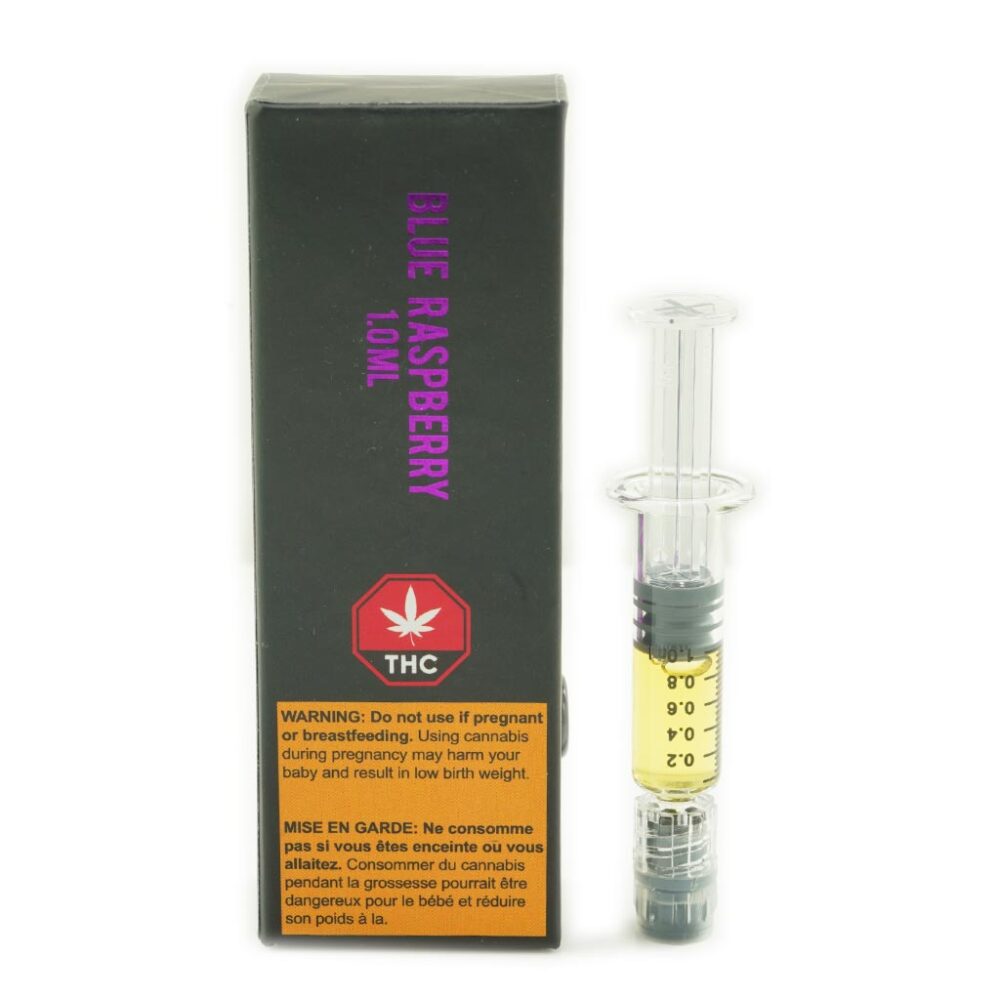
Vape cartridges are another popular option. They are convenient and fast-acting, but the dosage is harder to control. A few puffs can be fine, but it is easy to overdo it, especially with a high-potency delta 9 distillate. Some brands now sell branded syringes pre-filled with a measured amount of oil. Those are useful if you want to fill your own cartridges or add the oil to food. Just be careful with storage: delta 9 oil degrades in heat and light, so keep it in a cool, dark place.
The Entourage Effect and Why It Matters
I mentioned the entourage effect earlier, but it deserves a bit more space because it influences how you experience the oil. Your endocannabinoid system is designed to respond to a range of cannabinoids, not just delta 9. When you use a full-spectrum oil that includes delta 8 THC, CBD, and various cannabis terpenes, the interaction at the CB1 receptor is different than with delta 9 alone. Some users report a smoother, longer-lasting effect with less anxiety. That is why many people who buy delta 9 oil for therapeutic use look for a full-spectrum product rather than a pure distillate.
Black pepper terpenes, specifically beta-caryophyllene, are of particular interest. Caryophyllene binds to the CB2 receptor, which is not psychoactive but can influence inflammation and mood. That might be why some delta 9 oils that include it feel more grounding. It is not just marketing talk. The chemistry is real.
Practical Tips for Your First Purchase
If you are ready to buy delta 9 oil, here is a quick checklist I give to friends who ask:
- Look for a compliance certificate from a third-party lab. Check the delta 9 percentage and the date of the test.
- Decide between distillate and full-spectrum based on your tolerance and desired effect. If you are sensitive, start with full-spectrum.
- Check the extraction method. CO2 extraction is generally cleaner for oral use.
- Read the ingredient list. Some oils add artificial terpenes or thinning agents. You want just hemp-derived cannabinoids and a carrier oil like MCT.
- Start low. Even if you have used delta 9 before, oils can be more concentrated than flower or edibles.
Following these steps will save you from the disappointment of a weak or poorly made product. It also keeps you safe. The legal delta 9 market is still a patchwork, and not every seller follows good practices.
Where to Look and What to Expect
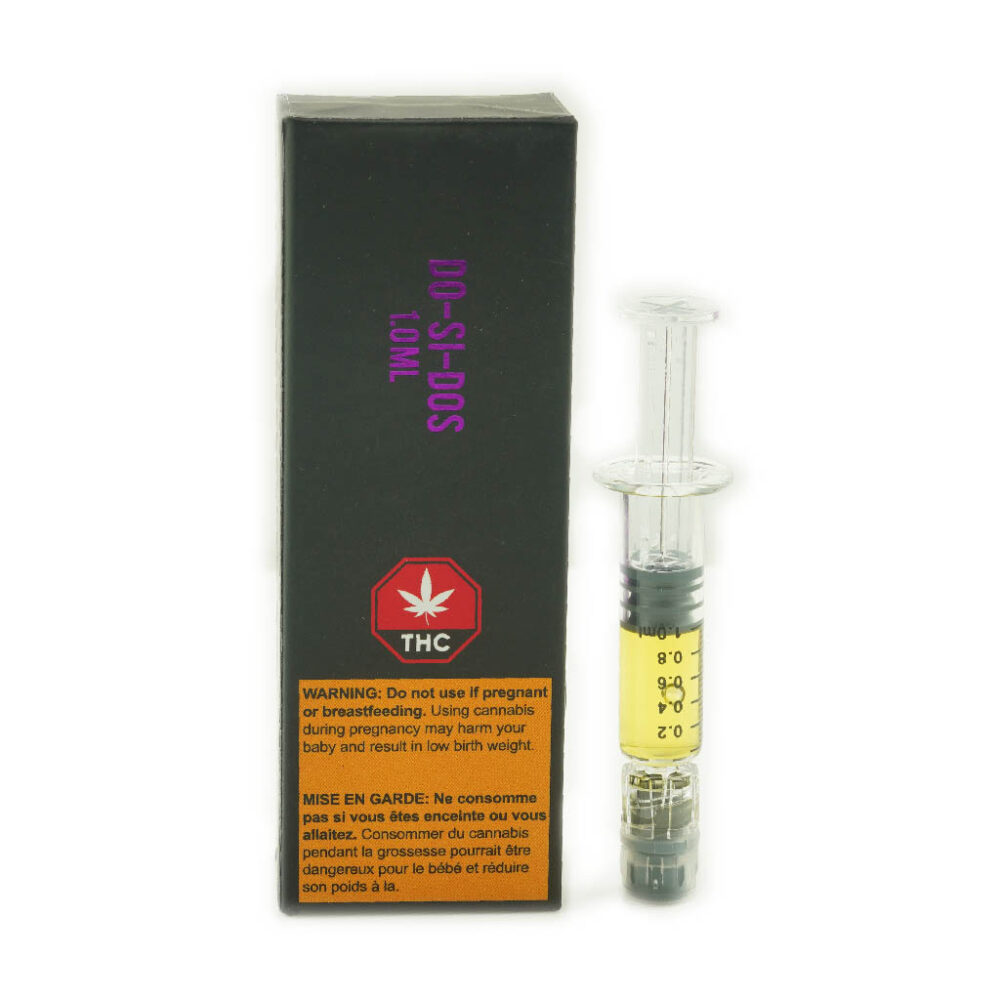
Online retailers like Kush Station have done a good job curating products that meet these standards. They carry brands that provide the paperwork and use clean extraction methods. That does not mean you should only shop there, but it gives you a benchmark. Compare the labels, the certificates, and the price per milligram of delta 9. Sometimes a cheaper bottle just means more carrier oil and less active cannabinoid.
In the end, buying delta 9 oil comes down to knowing what is inside the bottle. The industry is still maturing, and the difference between a great product and a mediocre one is transparency. If the seller cannot or will not show you the lab results, move on. There are plenty of good options out there from brands that take quality seriously. Take the time to find them, and the experience will be worth it.